




What are the effects of alloy composition on die casting automotive parts properties?
 Mar 30, 2026|
 Hey there! As a die casting automotive parts supplier, I've seen firsthand how alloy composition can have a huge impact on the properties of the parts we produce. In this blog, I'm gonna break down the effects of alloy composition on die casting automotive parts properties, and why it matters for you as a buyer.
Understanding Alloy Composition
First things first, let's talk about what alloy composition is. An alloy is a mixture of two or more metals, and the specific combination of these metals determines the properties of the alloy. In die casting automotive parts, we commonly use alloys like aluminum, magnesium, and zinc. Each of these alloys has its own unique set of properties that make it suitable for different applications.
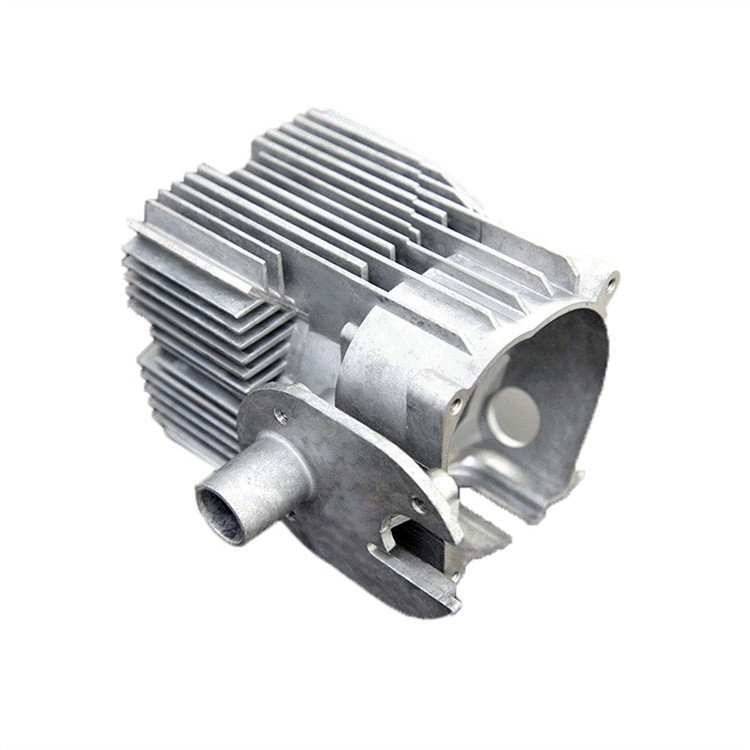
For example, aluminum alloys are known for their lightweight, high strength, and good corrosion resistance. They're often used in automotive parts like engine blocks, transmission cases, and wheels. Magnesium alloys, on the other hand, are even lighter than aluminum and have excellent damping properties, making them ideal for parts that need to reduce vibration and noise. Zinc alloys are known for their high dimensional accuracy and good casting properties, and are often used in small, intricate parts like door handles and locks.
Effects of Alloy Composition on Mechanical Properties
One of the most important effects of alloy composition on die casting automotive parts is its impact on mechanical properties. Mechanical properties refer to the way a material behaves under stress, such as its strength, hardness, and ductility.
The strength of an alloy is determined by its composition and the way it's processed. For example, adding certain elements like copper, silicon, and magnesium to an aluminum alloy can increase its strength. However, too much of these elements can also make the alloy brittle and reduce its ductility. That's why it's important to find the right balance of elements to achieve the desired mechanical properties.
Hardness is another important mechanical property that's affected by alloy composition. Hardness refers to a material's resistance to indentation or scratching. Adding elements like chromium, nickel, and molybdenum to an alloy can increase its hardness. However, like strength, too much of these elements can also make the alloy brittle.
Ductility is the ability of a material to deform under stress without breaking. It's an important property for automotive parts that need to withstand impact and vibration. Adding elements like manganese and titanium to an alloy can increase its ductility. However, again, too much of these elements can also reduce the alloy's strength.
Effects of Alloy Composition on Corrosion Resistance
Another important effect of alloy composition on die casting automotive parts is its impact on corrosion resistance. Corrosion is the process by which a metal is gradually destroyed by chemical reactions with its environment. In the automotive industry, corrosion can cause parts to fail prematurely, leading to safety issues and costly repairs.
The corrosion resistance of an alloy is determined by its composition and the way it's processed. For example, adding elements like chromium, nickel, and molybdenum to an alloy can increase its corrosion resistance. These elements form a protective layer on the surface of the alloy that prevents it from reacting with the environment.
However, the effectiveness of this protective layer depends on the thickness and quality of the layer. If the layer is too thin or has defects, it may not provide adequate protection against corrosion. That's why it's important to use high-quality alloys and proper processing techniques to ensure the best possible corrosion resistance.
Effects of Alloy Composition on Casting Properties
Alloy composition also has a significant impact on the casting properties of die casting automotive parts. Casting properties refer to the way a material behaves during the casting process, such as its fluidity, shrinkage, and porosity.
Fluidity is the ability of a material to flow into the mold cavity during the casting process. A material with good fluidity can fill the mold cavity more easily, resulting in a more accurate and detailed casting. Adding elements like silicon and copper to an alloy can increase its fluidity.
Shrinkage is the reduction in volume that occurs when a material solidifies. A material with high shrinkage can cause defects in the casting, such as cracks and porosity. Adding elements like magnesium and aluminum to an alloy can reduce its shrinkage.
Porosity is the presence of small holes or voids in the casting. Porosity can weaken the casting and reduce its mechanical properties. Adding elements like titanium and zirconium to an alloy can reduce its porosity.
Why Alloy Composition Matters for You as a Buyer
As a buyer of die casting automotive parts, understanding the effects of alloy composition on the properties of the parts is important for several reasons.
First, it can help you choose the right alloy for your application. Different alloys have different properties, and choosing the right alloy can ensure that your parts meet your performance requirements. For example, if you need a part that's lightweight and has good corrosion resistance, an aluminum alloy may be the best choice. If you need a part that's strong and has good damping properties, a magnesium alloy may be a better option.
Second, it can help you ensure the quality of the parts you're buying. By understanding the effects of alloy composition on the properties of the parts, you can ask your supplier the right questions and make sure that the parts you're buying are made from high-quality alloys and processed using proper techniques.
Finally, it can help you save money in the long run. By choosing the right alloy and ensuring the quality of the parts, you can reduce the risk of premature failure and costly repairs. This can save you money on replacement parts and maintenance costs.
Conclusion
In conclusion, alloy composition has a significant impact on the properties of die casting automotive parts. By understanding the effects of alloy composition on mechanical properties, corrosion resistance, and casting properties, you can choose the right alloy for your application, ensure the quality of the parts you're buying, and save money in the long run.
If you're in the market for die casting automotive parts, I encourage you to check out our Precision Die-Casting Processing Of Aluminum Alloy Auto Parts, Auto Parts Precision Die Casting Processing, and Aluminum Alloy Auto Parts Die-Casting Processing services. We have the expertise and experience to provide you with high-quality parts that meet your specific requirements.
If you have any questions or would like to discuss your project, please don't hesitate to contact us. We're here to help you find the right solution for your needs.
References
- ASM Handbook, Volume 15: Casting
- Die Casting Handbook, Fourth Edition
- Aluminum Association: Aluminum Design Manual