




What are the impacts of die casting automotive parts on vehicle safety?
 Jan 12, 2026|
 Hey there! As a supplier of die casting automotive parts, I've been getting a lot of questions lately about how these parts impact vehicle safety. So, I thought I'd take a moment to share my thoughts and shed some light on this important topic.
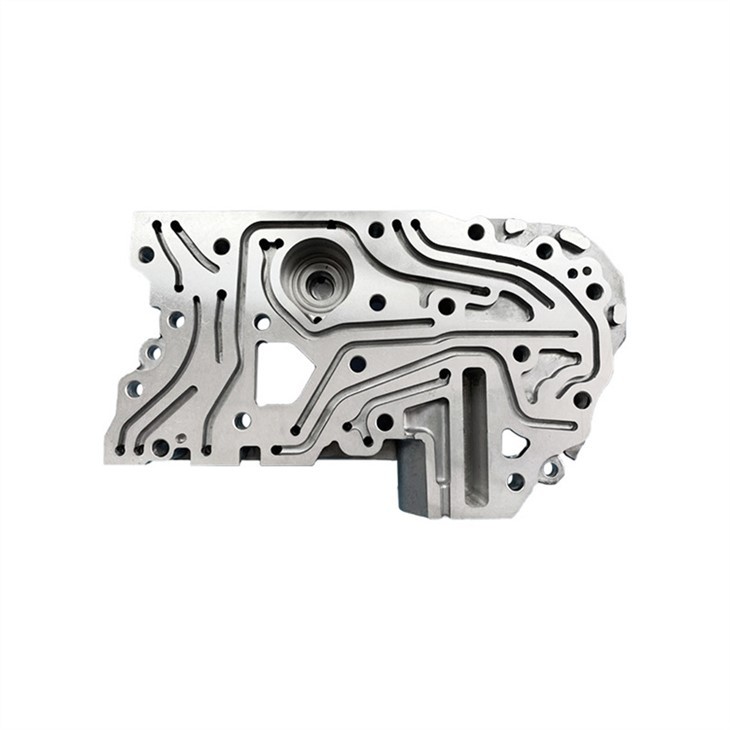
First off, let's talk about what die casting is. Die casting is a manufacturing process where molten metal, usually aluminum or zinc, is injected into a mold under high pressure. This process allows for the creation of complex shapes with high precision and excellent surface finish. In the automotive industry, die casting is used to make a wide range of parts, from engine blocks and transmission cases to steering knuckles and suspension components.
One of the biggest advantages of die casting automotive parts is their strength and durability. Die cast parts are made from high-quality metals that are known for their excellent mechanical properties. For example, aluminum alloys are lightweight, corrosion-resistant, and have high strength-to-weight ratios. This makes them ideal for use in automotive applications where weight reduction is important for fuel efficiency, but strength and durability are still critical for safety.
When it comes to vehicle safety, die cast parts play a crucial role in several key areas. Let's take a look at some of the most important ones:
Structural Integrity
The structural integrity of a vehicle is essential for protecting passengers in the event of a collision. Die cast parts are used in many of the key structural components of a vehicle, such as the frame, doors, and roof. These parts are designed to absorb and distribute impact energy, which helps to reduce the risk of injury to passengers.
For example, in a front-end collision, the die cast engine block and other components in the engine compartment are designed to crumple in a controlled manner. This helps to absorb the impact energy and prevent it from being transferred to the passenger compartment. Similarly, die cast parts in the doors and roof are designed to provide additional structural support and help to prevent the vehicle from collapsing in the event of a rollover.
Suspension and Steering
The suspension and steering systems of a vehicle are also critical for safety. Die cast parts are used in many of the components of these systems, such as the steering knuckles, control arms, and suspension links. These parts are designed to provide precise control and handling of the vehicle, which helps to reduce the risk of accidents.
For example, the steering knuckle is a key component of the steering system that connects the wheel to the vehicle's suspension. A die cast steering knuckle is designed to be strong and rigid, which allows for precise steering control and reduces the risk of steering failure. Similarly, die cast control arms and suspension links are designed to provide a smooth and stable ride, which helps to reduce the risk of loss of control on the road.

Braking System
The braking system is one of the most important safety features of a vehicle. Die cast parts are used in many of the components of the braking system, such as the brake calipers and master cylinders. These parts are designed to provide reliable and consistent braking performance, which helps to reduce the risk of accidents.
For example, the brake caliper is a key component of the braking system that applies pressure to the brake pads, which in turn apply friction to the brake rotors. A die cast brake caliper is designed to be strong and rigid, which allows for precise application of pressure to the brake pads and reduces the risk of brake failure. Similarly, die cast master cylinders are designed to provide a consistent and reliable supply of brake fluid to the brake calipers, which helps to ensure that the braking system operates properly.
Electrical System
The electrical system of a vehicle is also important for safety. Die cast parts are used in many of the components of the electrical system, such as the battery trays, fuse boxes, and wiring harnesses. These parts are designed to provide reliable and consistent electrical performance, which helps to reduce the risk of electrical fires and other safety hazards.
For example, the battery tray is a key component of the electrical system that holds the battery in place. A die cast battery tray is designed to be strong and durable, which helps to prevent the battery from shifting or moving during normal operation of the vehicle. This reduces the risk of damage to the battery and the electrical system, which helps to prevent electrical fires and other safety hazards.
Now that we've talked about the importance of die cast automotive parts for vehicle safety, let's take a look at some of the factors that can affect the quality and performance of these parts.
Material Selection
The material selection is one of the most important factors that can affect the quality and performance of die cast automotive parts. The choice of material depends on several factors, such as the specific application, the required mechanical properties, and the cost.
For example, aluminum alloys are a popular choice for die cast automotive parts because they are lightweight, corrosion-resistant, and have high strength-to-weight ratios. However, different aluminum alloys have different properties, so it's important to choose the right alloy for the specific application. Similarly, zinc alloys are also used in die cast automotive parts, especially for parts that require high precision and excellent surface finish.
Manufacturing Process
The manufacturing process is another important factor that can affect the quality and performance of die cast automotive parts. Die casting is a complex process that requires careful control of several variables, such as the temperature, pressure, and injection speed. Any variation in these variables can affect the quality and performance of the parts.
For example, if the temperature of the molten metal is too high, it can cause the part to have a rough surface finish or to have internal defects. Similarly, if the pressure is too low, it can cause the part to have incomplete filling or to have porosity. Therefore, it's important to have a well-controlled manufacturing process and to use high-quality equipment and tools.
Quality Control
Quality control is an essential part of the manufacturing process for die cast automotive parts. Quality control helps to ensure that the parts meet the required specifications and standards for safety and performance.
For example, quality control measures can include visual inspection, dimensional measurement, and testing of the mechanical properties of the parts. These measures help to identify any defects or abnormalities in the parts and to ensure that they are repaired or replaced before they are installed in a vehicle.
In conclusion, die cast automotive parts play a crucial role in vehicle safety. These parts are used in many of the key components of a vehicle, such as the structural frame, suspension and steering systems, braking system, and electrical system. Die cast parts are known for their strength, durability, and precision, which helps to ensure reliable and consistent performance of these systems.
However, it's important to note that the quality and performance of die cast automotive parts can be affected by several factors, such as material selection, manufacturing process, and quality control. Therefore, it's important to choose a reliable and experienced supplier of die cast automotive parts who can provide high-quality parts that meet the required specifications and standards for safety and performance.
If you're in the market for die cast automotive parts, I encourage you to check out our website for more information about our products and services. We offer a wide range of Aluminum Alloy Auto Parts Die-Casting Processing, Auto Parts Precision Die Casting Processing, and Precision Die-Casting Processing Of Aluminum Alloy Auto Parts. Our team of experts is always available to answer your questions and to help you find the right parts for your specific needs.
So, if you're looking for high-quality die cast automotive parts that can improve the safety and performance of your vehicles, don't hesitate to contact us today. We'd love to hear from you and to help you take your automotive manufacturing to the next level!
References
- ASM Handbook Volume 15: Casting. ASM International.
- Die Casting Engineering Handbook. Die Casting Institute.
- Metals Handbook Desk Edition. ASM International.