




What is the influence of the mould cavity surface finish on the casting quality?
 Aug 19, 2025|
 Hey there! As a supplier of precision die casting moulds, I've seen firsthand how the surface finish of a mould cavity can make or break the quality of a casting. In this blog, I'm gonna break down the ins and outs of this relationship, sharing some real - world insights and experiences.
First off, let's talk about what surface finish actually means. It's all about how smooth or rough the surface of the mould cavity is. You can measure it in different ways, like using a profilometer to get the average roughness (Ra) value. A lower Ra means a smoother surface, and a higher Ra indicates a rougher one.
Now, why does this matter for casting quality? Well, the surface finish of the mould cavity has a direct impact on the surface quality of the casting. When you've got a smooth mould cavity, the casting is more likely to come out with a nice, shiny finish. This is super important for products where appearance matters, like consumer electronics or automotive parts. On the other hand, a rough mould surface can lead to a casting with a dull, uneven finish, which might not meet the aesthetic requirements of the end - user.
But it's not just about looks. The surface finish also affects the mechanical properties of the casting. A smooth mould surface allows the molten metal to flow more easily during the Die Cast Molding Process. This means better filling of the mould cavity, reducing the chances of defects like porosity and shrinkage. Porosity is basically tiny holes in the casting, which can weaken the part and make it more prone to failure. Shrinkage occurs when the metal cools and contracts unevenly, causing cracks or warping.
Let's dive a bit deeper into the process. During die casting, the molten metal is injected into the mould cavity at high pressure. If the mould surface is rough, it can create areas of high friction. This friction can slow down the flow of the metal, leading to incomplete filling of the cavity. As a result, you might end up with a casting that has thin sections or missing features.
Another aspect to consider is the release of the casting from the mould. A smooth surface finish makes it easier for the casting to be ejected from the mould. When the mould has a rough surface, the casting can stick to it, causing damage during the ejection process. This can lead to burrs, which are small, unwanted pieces of metal that protrude from the casting. Burrs not only affect the appearance of the casting but also require additional finishing operations to remove, which adds to the production cost.
Now, as a precision die casting mould supplier, we take the surface finish of the mould cavity very seriously. We use advanced machining techniques to achieve the desired surface quality. For example, Precision Die Casting Mold Processing often involves processes like grinding, polishing, and electro - polishing. Grinding is used to remove large amounts of material and create a relatively smooth surface. Polishing further refines the surface, reducing the roughness and improving the shine. Electro - polishing is a more advanced technique that uses an electric current to dissolve a thin layer of metal from the surface, resulting in an extremely smooth finish.
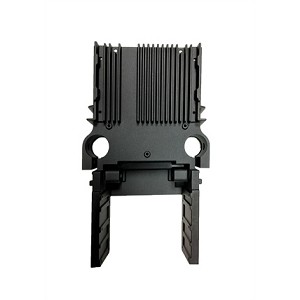
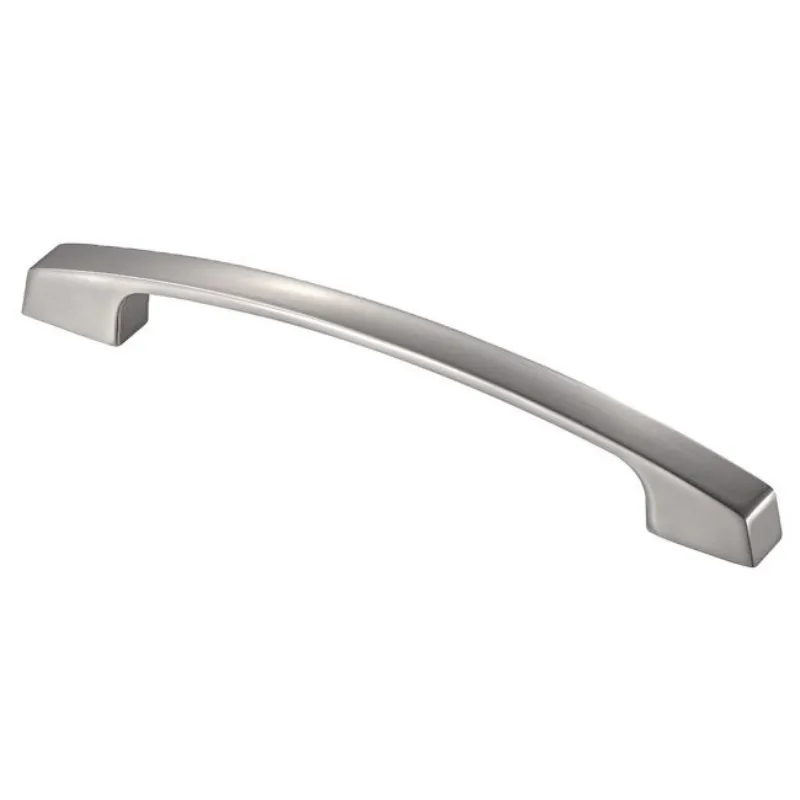
We also pay attention to the materials used for the mould. Different materials have different surface characteristics and can be machined to different levels of smoothness. For instance, some high - grade tool steels can be polished to a very fine finish, which is ideal for producing high - quality castings.
In addition to the initial surface finish, we also need to consider the wear and tear of the mould over time. As the mould is used repeatedly, the surface can become rougher due to the high - pressure injection of the molten metal, as well as the abrasion caused by the casting process. This is why regular maintenance and re - finishing of the mould are crucial. By maintaining the smooth surface of the mould cavity, we can ensure consistent casting quality throughout the production run.
Let's talk about some real - world examples. In the automotive industry, where precision and quality are of the utmost importance, a smooth mould surface is essential for producing engine components. These components need to have a high - quality surface finish not only for appearance but also for proper functioning. A rough surface on the mould can lead to casting defects that could affect the performance and reliability of the engine.
In the aerospace industry, the requirements for casting quality are even more stringent. Components used in aircraft need to be extremely reliable and have a high strength - to - weight ratio. A smooth mould surface helps in achieving these properties by reducing defects and ensuring uniform metal flow during the casting process.
As a supplier, we work closely with our customers to understand their specific requirements for the casting quality. We use our expertise in Die Casting Mold Parts to design and manufacture moulds with the appropriate surface finish. Whether it's a simple part with basic aesthetic requirements or a complex component with strict mechanical specifications, we can tailor our solutions to meet the needs of each project.
If you're in the market for precision die casting moulds and are concerned about the influence of the mould cavity surface finish on the casting quality, we're here to help. We've got the experience and the technology to produce moulds that will give you the best possible casting results. Whether you're a small - scale manufacturer or a large - scale industrial company, we can work with you to find the right solution for your production needs.
So, if you're interested in learning more about how we can help you with your die casting requirements, don't hesitate to reach out. We're always happy to have a chat and discuss how we can improve your casting quality through our precision die casting moulds.
References
- "Die Casting Handbook" by ASM International
- "Manufacturing Engineering and Technology" by S. Kalpakjian and S. R. Schmid