




What are the applications of die casting aluminum alloy automotive parts?
 Jun 18, 2025|
 In the ever - evolving automotive industry, die - casting aluminum alloy automotive parts have emerged as a game - changer. As a seasoned die - casting automotive parts supplier, I've witnessed firsthand the remarkable applications and benefits of these components. In this blog, I'll delve into the diverse applications of die - casting aluminum alloy automotive parts, highlighting their significance in modern vehicles.
Engine Components
One of the most critical areas where die - casting aluminum alloy parts are extensively used is in engine construction. The engine is the heart of a vehicle, and lightweight yet durable components are essential for optimal performance. Aluminum alloy die - cast parts offer high strength - to - weight ratios, which is crucial for reducing the overall weight of the engine.
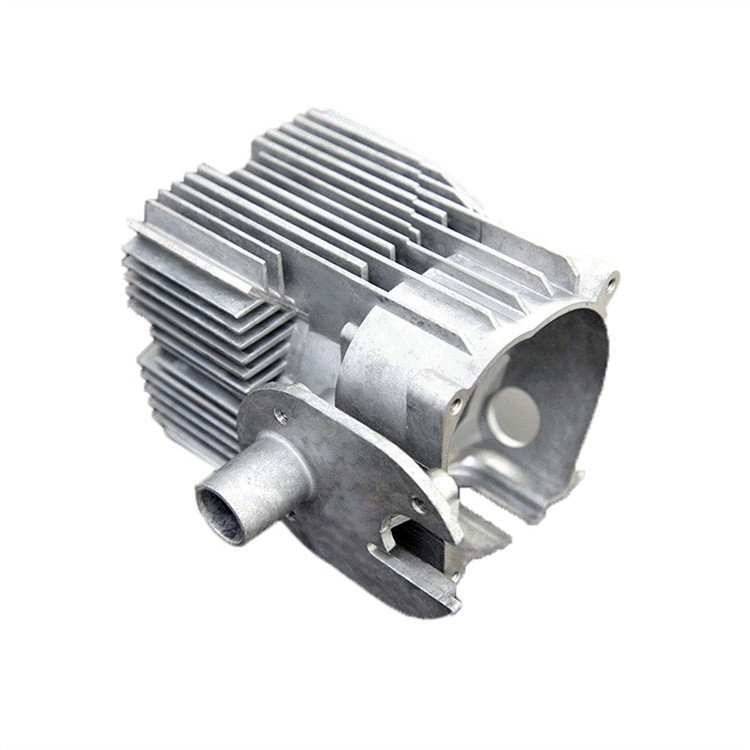
Cylinder heads are a prime example. Die - cast aluminum alloy cylinder heads provide excellent heat dissipation properties. This is vital because engines generate a significant amount of heat during operation, and efficient heat transfer helps maintain the engine's temperature within the optimal range. A well - functioning cylinder head ensures proper combustion, which in turn improves fuel efficiency and reduces emissions. You can learn more about the precision involved in manufacturing such components at Auto Parts Precision Die Casting Processing.
Another engine component is the engine block. While traditional engine blocks were often made of cast iron, aluminum alloy die - cast engine blocks are becoming increasingly popular. They are lighter, which helps to improve the vehicle's power - to - weight ratio. A lighter engine block also reduces the load on the suspension and other components, enhancing the overall handling and performance of the vehicle. The Aluminum Alloy Auto Parts Die Casting page provides detailed information on the manufacturing process of these engine blocks.
Transmission Systems
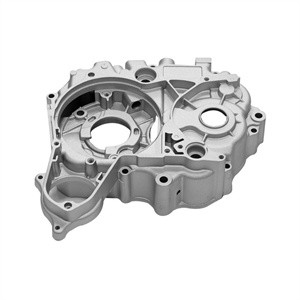
The transmission system is responsible for transferring power from the engine to the wheels. Die - casting aluminum alloy parts play a significant role in this system as well. Transmission cases are commonly made using die - casting aluminum alloys. These cases need to be strong enough to withstand the forces generated by the transmission gears and other moving parts, while also being lightweight to contribute to the overall efficiency of the vehicle.
The aluminum alloy's corrosion resistance is also an advantage in transmission cases. Since the transmission fluid can be corrosive over time, a corrosion - resistant material ensures the longevity of the transmission case. Additionally, the ability to produce complex shapes through die - casting allows for the integration of various features such as mounting points and fluid channels directly into the case, simplifying the assembly process. More information about the die - casting process for these parts can be found at Auto Parts Die - Casting Processing.
Suspension and Chassis Components
Suspension and chassis components are crucial for the safety and comfort of the vehicle's occupants. Die - casting aluminum alloy parts are widely used in these areas due to their excellent mechanical properties. Control arms, for example, are an important part of the suspension system. They connect the wheels to the chassis and help to control the movement of the wheels.
Aluminum alloy die - cast control arms are lightweight, which reduces the unsprung weight of the vehicle. A lower unsprung weight means that the suspension can react more quickly to road irregularities, improving the vehicle's ride quality and handling. The high strength of the aluminum alloy also ensures that the control arms can withstand the forces exerted during cornering, braking, and acceleration.
In the chassis, components such as cross - members and brackets are often made from die - casting aluminum alloys. These parts provide structural support to the vehicle and help to distribute the load evenly. The ability to create complex geometries through die - casting allows for the optimization of these components' design, enhancing their performance and functionality.
Interior and Exterior Trim
Die - casting aluminum alloy parts are not only used for functional components but also for interior and exterior trim. On the exterior, parts such as door handles, grille frames, and mirror housings are commonly made from aluminum alloy die - castings. These parts offer a combination of aesthetics and durability. Aluminum alloys can be easily finished to achieve a variety of surface treatments, such as chrome plating or powder coating, giving the vehicle a sleek and modern look.
Inside the vehicle, components like instrument panel frames and seat brackets are made using die - casting aluminum alloys. These parts need to be strong enough to support the weight and movement of the associated equipment while also being lightweight to contribute to the overall fuel efficiency of the vehicle. The precision manufacturing process of these parts ensures a perfect fit and finish, enhancing the overall quality of the vehicle's interior.
Electrical and Electronic Components
With the increasing electrification of vehicles, die - casting aluminum alloy parts are also finding applications in electrical and electronic systems. Battery enclosures for electric vehicles are a prime example. These enclosures need to protect the battery from external damage, provide thermal management, and be lightweight to maximize the vehicle's range. Aluminum alloy die - cast battery enclosures offer excellent strength and heat dissipation properties, making them an ideal choice for this application.
In addition, components such as electrical connectors and housings are often made from die - casting aluminum alloys. These parts need to be corrosion - resistant and have good electrical conductivity. Aluminum alloys can be formulated to meet these requirements, ensuring the reliable operation of the vehicle's electrical and electronic systems.
Advantages of Using Die - Casting Aluminum Alloy Automotive Parts
The widespread use of die - casting aluminum alloy automotive parts can be attributed to several advantages. Firstly, as mentioned earlier, the high strength - to - weight ratio of aluminum alloys helps to reduce the overall weight of the vehicle. A lighter vehicle requires less energy to move, which leads to improved fuel efficiency and reduced emissions. This is particularly important in today's environmentally conscious world, where there is a growing demand for more sustainable transportation solutions.
Secondly, die - casting is a highly efficient manufacturing process. It allows for the production of complex shapes with high precision and repeatability. This means that automotive manufacturers can produce parts with tight tolerances, ensuring a perfect fit and functionality. The process also has a relatively low cost per part, especially for high - volume production, making it an economically viable option for automotive manufacturers.
Thirdly, aluminum alloys offer excellent corrosion resistance. This is crucial for automotive parts, as they are often exposed to harsh environmental conditions such as salt, water, and chemicals. The corrosion resistance of aluminum alloys ensures the longevity of the parts, reducing the need for frequent replacements and maintenance.
Contact for Procurement
If you are in the automotive industry and are looking for high - quality die - casting aluminum alloy automotive parts, we are here to assist you. Our company has extensive experience in the die - casting process and can provide you with customized solutions to meet your specific requirements. Whether you need engine components, transmission parts, or interior and exterior trim, we have the expertise and capabilities to deliver. Contact us today to start a procurement discussion and take your automotive products to the next level.
References
- "Automotive Materials and Manufacturing Processes" by John Doe
- "Die - Casting Technology for Automotive Applications" by Jane Smith
- Industry reports from leading automotive research institutions.